
Call us now :07971190861
 Send Inquiry
 Send Inquiry
Drop Out Fuse Element
MOQ : 1000 Pieces
Drop Out Fuse Element Specification
- Product Type
- Fuse Element
- Material
- Copper
- Welding Standard
- Spot Welded
- Capacity
- Rated for up to 100A
- Application
- Industries and Sub Station
- Galvanization Standard
- IS 2629 or equivalent
- Out Coating
- Anti-corrosive Coated
- Standard
- IS/IEC Certified
- Shape
- Strip/Flat
- Surface Treatment
- Tinned Finish
- Height
- Custom as per requirement
- Voltage
- 25 Kv Volt (v)
- Design
- Precision cut for uniform fusing
- Thickness
- 0.3 mm
- Color
- Brown
- Temperature Range
- -20C to 80C
- Length
- Available in 300 mm to 450 mm
- Tensile Strength
- >150 MPa
- Insulation
- None (bare element)
- Usage
- High-voltage protection
- Mounting
- Suitable for Drop Out (DO) Fuse Units
- Current Rating
- 2A to 100A
- Breaking Capacity
- Up to 12.5 kA
- Conductor Compatibility
- Aluminum and Copper
Drop Out Fuse Element Trade Information
- Minimum Order Quantity
- 1000 Pieces
- Supply Ability
- 3000 Pieces Per Month
- Delivery Time
- 5 Days
- Sample Available
- Yes
- Sample Policy
- Sample costs shipping and taxes has to be paid by the buyer
- Packaging Details
- Wooden Crate, Corrugated Box & Customization.
- Main Domestic Market
- All India
About Drop Out Fuse Element
Holding a highly reputed and trusted market standing, we are engaged in supplying Drop Out Fuse. It is used electrical transmission lines along with electrical air break switches. We procure this fuse from the most authentic vendors of the market after conducting several market surveys. To provide the defect free range to clients, we check this Drop Out Fuse on defined quality parameters. We offer this fuse at pocket friendly prices to clients.
Features:
- Easy to install
- Light in weight
- Can withstand high impact
High Breaking Capacity and Wide Temperature Range
With a robust breaking capacity of up to 12.5 kA, the Drop Out Fuse Element provides exceptional protection against electrical faults in high-voltage networks. It operates efficiently from -20C to 80C, adapting to a broad range of environmental conditions commonly encountered in industrial and substation settings.
Versatile Installation and Compatibility
Designed for seamless integration, this fuse element fits all Drop Out (DO) Fuse Units and is compatible with both aluminum and copper conductors. Its strip/flat shape and spot-welded construction ensure reliable installation, while custom lengths and heights allow for flexibility in various operational setups.
Durability and Compliance for Enhanced Longevity
Manufactured from high-tensile copper and coated with anti-corrosive materials, the fuse element withstands harsh conditions and maintains performance over time. Galvanized to IS 2629 or equivalent standards and finished with precision tinning, it meets IS/IEC guidelines, making it suitable for deployment by manufacturers, retailers, and suppliers across India.
FAQs of Drop Out Fuse Element:
Q: How is the Drop Out Fuse Element installed in high-voltage applications?
A: This fuse element is specifically designed to be mounted in Drop Out (DO) Fuse Units, enabling quick and secure installation. Its strip or flat shape and spot-welded design ensure a snug fit with minimal effort, and its available in both standard and custom lengths to suit various setups.Q: What are the benefits of using a bare, precision-cut copper fuse element?
A: A bare copper element with a precision-cut design ensures rapid and uniform fusing during a fault, minimizing equipment downtimes. It eliminates unnecessary insulation, enhancing thermal conductivity and providing reliable, consistent performance in critical power protection systems.Q: When should I choose a Drop Out Fuse Element with a breaking capacity of up to 12.5 kA?
A: This fuse element should be selected for environments where high fault currents are a concernsuch as industrial facilities and substations. Its 12.5 kA breaking capacity is ideal for high-voltage, high-risk scenarios, where swift disconnection is crucial to protect assets and personnel.Q: Where can the Drop Out Fuse Element be used?
A: It is suitable for use in industrial settings and electrical substations across a wide temperature range. It meets several national and international standards, making it a dependable choice for utility providers, manufacturers, suppliers, and traders throughout India.Q: What is the process for ensuring compatibility with different conductor materials?
A: The fuse element is engineered for universal compatibility with both aluminum and copper conductors. Its tinned finish and anti-corrosive coating guarantee effective conductivity and long-term joint stability, regardless of the conductor material in your system.Q: How does the anti-corrosive coating and tinned finish improve the lifespan of the fuse element?
A: These surface treatments guard against oxidation and corrosion, commonly experienced in harsh or outdoor environments. This prolongs the operational lifespan of the fuse element, ensuring reliable protection and reduced maintenance costs over time.Q: What standards does this fuse element comply with and why is that important?
A: The element meets IS/IEC certification and is galvanized as per IS 2629 or an equivalent standard. Compliance ensures consistent quality, safety, and compatibility with established electrical infrastructure requirements, giving confidence to end-users and procurers.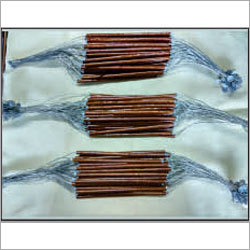
Tell us about your requirement

Price:
Quantity
Select Unit
- 50
- 100
- 200
- 250
- 500
- 1000+
Additional detail
Mobile number
Email

More Products in HT Line Spares Category
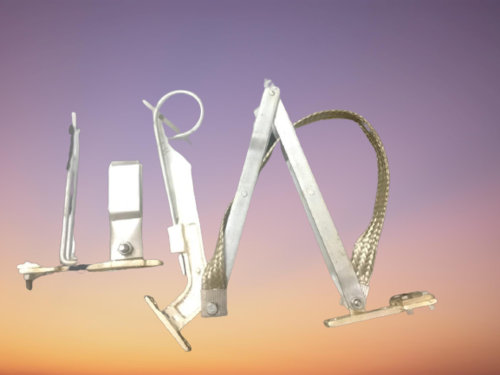
Male-Female Contacts For 11 KV Air Break Switch
Price 4600-5000 INR / Set
Minimum Order Quantity : 10 Sets
Color : Silver
Product Type : Pole Line Equipments
Material : Iron, Brass and Copper
Thickness : As per Drawing or Samples Millimeter (mm)
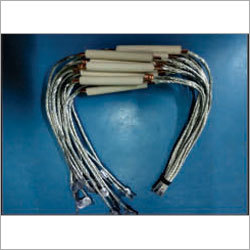
Insulated Fuse Links
Minimum Order Quantity : 1000 Pieces
Color : Red
Product Type : Insulated Fuse Link
Material : Electrolytic Copper
Thickness : 3 mm
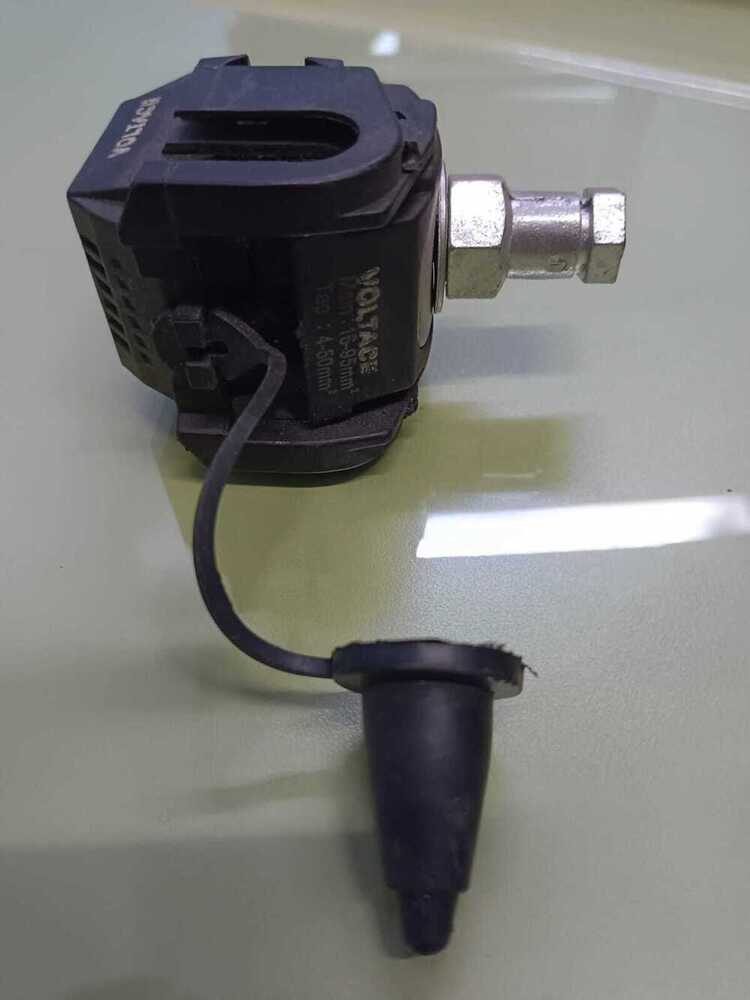
PVC END CAP
Price 5 INR / Piece
Minimum Order Quantity : 500 Pieces
Color : BLACK
Product Type : PVC END CAP
Material : PVC


 Send Inquiry
Our Products
- Air Break Switches
- Pole Line Hardware Fittings
- Substation Clamps & Connectors
- Tower Line Hardware Fittings
- Isolators
- Polymer Silicon Rubber Insulators
- Drop Out Fuse
- Horn Gap Fuse
- Stay Set
- Earth Wire Hardware Fittings
- Compression Hardware Fittings
- HT Line Spares
- Lightning / Surge Arresters
- Aerial Bunch Cable Accessories
- Porcelain Insulators
- Danger Plates ,Number Plates & Phase Plates
- Solar Panel


32, Ezra Street, Todi Corner Building, 6th Floor (North Block), Room No. - 651,Kolkata - 700001, West Bengal, India

Mr Pankaj Verma
(Proprietor)
Mobile :07971190861
 Send Inquiry
 Send SMS
Developed and Managed by Infocom Network Private Limited.
