
Call us now :07971190861
 Send Inquiry
 Send Inquiry
22 KV Porcelain Dropout Fuse
Price 13000.00 - 14000.00 INR/ Set
MOQ : 1 Set
22 KV Porcelain Dropout Fuse Specification
- Product Type
- Pole Line Equipments
- Material
- Porcelain Insulators, Brass Contacts and G.I. Iron Channel
- Welding Standard
- As per Standard
- Application
- Pole Line Fittings and Substation Fittings
- Galvanization Standard
- IS SPECIFICATION
- Out Coating
- Galvanized Channel
- Standard
- IS Specifications
- Shape
- Square
- Surface Treatment
- Hot Dip Galvanized
- Height
- As per drawing Millimeter (mm)
- Voltage
- 200/400 Ampere (amp)
- Design
- As per Drawing
- Thickness
- As per Drawing Millimeter (mm)
- Color
- Silver with Brown glazed Porcelain Insulators
- Warranty
- 12 Months
22 KV Porcelain Dropout Fuse Trade Information
- Minimum Order Quantity
- 1 Set
- FOB Port
- Howrah
- Payment Terms
- Telegraphic Transfer (T/T), Cheque, Cash Advance (CA)
- Supply Ability
- 100 Sets Per Month
- Delivery Time
- 30-45 Days
- Sample Available
- No
- Packaging Details
- Wooden Box
- Main Domestic Market
- All India
- Certifications
- Routine Test Report available
About 22 KV Porcelain Dropout Fuse
22 KV Porcelain Dropout Fuse
We are counted among one of the leading organizations for manufacturing and supplying high quality range of 22 Kv Dropout Fuse. It is manufactured using premium quality materials as per ISS-9385 (Part-II) -1980 reaffirmed 2002. The product is mounted on hot dip galvanized steel channel base, with two/four insulators per phase as per BSS/ISS single/ double stack with SRBP/Fibre glass tube for carrying fuse, duly tinned so as to withstand weather conditions, non-ferrous metal parts and spring loaded phosphorus bronze contacts. Clients can avail this 22 KV Dropout Fuse from us at a low price.
Features:
- Easy installation
- Fine finish
- High tensile strength
ELECTROMECH make Dropout off fused link mounted on hot dip galvanized steel channel base, with two/four Insulators per phase as per BSS/ISS single/ double stack with SRBP/Fibre glass tube for carrying fuse duly tinned (to withstand weather conditions) non-ferrous metal parts and spring loaded phosphorus bronze contacts. Manufactured as per ISS-9385 (Part-II) -1980 reaffirmed 2002.
TECHNICAL SPECIFICATION
| Usage/Application | OVERHEAD LINE |
| Power/Voltage | 22 KV |
| Voltage Level | High-Voltage |
| Brand | ELELECTROMECH INSULATORS & SWITCHGEARS |
| Number Of Insulator | 6 OR 12 |
| Current Rating (Amps) | 200, 400 AMPS |
Precision Engineering as per IS Specifications
Each 22 KV Porcelain Dropout Fuse is meticulously manufactured based on detailed drawings and conforms to IS standard specifications. Using high-grade materials like porcelain insulators, brass contacts, and galvanized iron channels, these fuses deliver dependability in various installation environments. The design accommodates industry-standard voltages and amperages for broad utility in electrical networks.
Long-Lasting Protection with Superior Coatings
Our dropout fuse employs hot dip galvanization on the channel components, ensuring resistance to rust and environmental factors. The porcelain insulators feature a brown glazed finish for enhanced longevity, making them ideal for outdoor pole lines and substations. This high-quality surface treatment means reduced maintenance and improved operational reliability.
FAQs of 22 KV Porcelain Dropout Fuse:
Q: How is the 22 KV Porcelain Dropout Fuse installed in pole and substation fittings?
A: The fuse is designed as per detailed technical drawings, allowing it to fit securely onto pole lines or within substation frameworks. Installation typically involves bolting the galvanized channel to mounting brackets and connecting the electrical leads to the brass contacts as specified in the IS standards.Q: What are the advantages of the hot dip galvanized surface treatment on this fuse?
A: The hot dip galvanized coating provides a robust barrier against corrosion and weathering, significantly extending the service life of the fuse. This is especially beneficial for outdoor applications exposed to varying climatic conditions.Q: When should the dropout fuse be used in electrical systems?
A: This fuse is appropriate for use in medium-voltage distribution networks, particularly where reliable circuit isolation and protection are required, such as during faults or maintenance on pole lines and substations.Q: Where can this 22 KV Porcelain Dropout Fuse be effectively utilized?
A: It is ideal for installation on electrical pole lines and substation switchgear used in both urban and rural power distribution systems across India.Q: What materials are used in the construction of the fuse, and what are their benefits?
A: The fuse uses porcelain for the insulators, which provides excellent electrical insulation. Brass contacts offer superior conductivity and corrosion resistance, while the G.I. iron channel delivers strong mechanical support with a long-lasting galvanized finish.Q: What is the warranty and how does it benefit customers?
A: Each fuse comes with a 12-month warranty, assuring buyers of product reliability and support in case of manufacturing defects, which enhances customer confidence and reduces maintenance costs.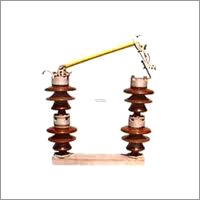
Tell us about your requirement

Price:
Quantity
Select Unit
- 50
- 100
- 200
- 250
- 500
- 1000+
Additional detail
Mobile number
Email

More Products in Drop Out Fuse Category
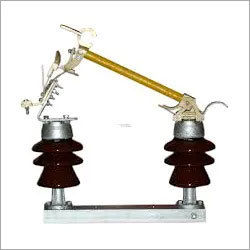
11kv Dropout Fuse
Minimum Order Quantity : 1 Set
Galvanization Standard : IS SPECIFICATION
Color : Silver with Brown glazed Porcelain Insulators
Product Type : Electrical Overhead Line
Application : Pole Line Fittings and Substation Fittings
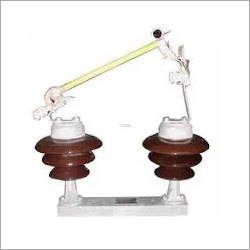
33 Kv Drop Out Fuse
Price 10000.00 - 14500.00 INR / Set
Minimum Order Quantity : 1 Set
Galvanization Standard : Standard
Color : Silver with Brown glazed Porcelain Insulators
Product Type : Drop Out Fuse
Application : Overhead Power Line
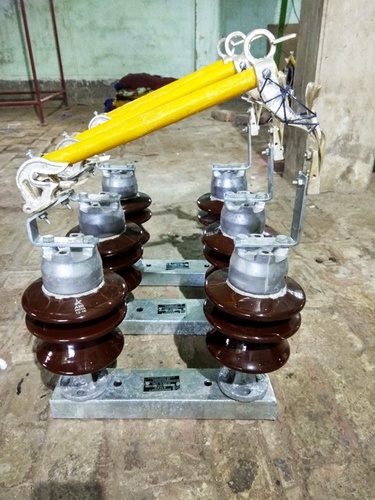
11 Kv Drop Out Fuse
Price 4500.00-6000.00 INR / Set
Minimum Order Quantity : 1 Set
Galvanization Standard : Standard
Color : Silver with Brown glazed Porcelain Insulators
Product Type : Pole Line Equipments
Application : Pole Line Fittings and Substation Fittings
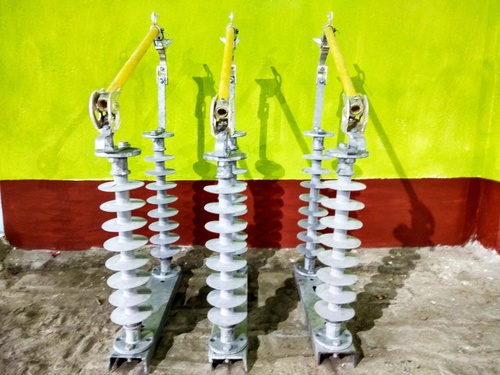
33 Kv Polymer Drop Out Fuse
Price 9500.00-10500.00 INR / Set
Minimum Order Quantity : 1 Set
Galvanization Standard : Standard
Color : Silver with Brown glazed Porcelain Insulators
Product Type : Pole Line Equipments
Application : Pole Line Fittings and Substation Fittings


 Send Inquiry
Our Products
- Air Break Switches
- Pole Line Hardware Fittings
- Substation Clamps & Connectors
- Tower Line Hardware Fittings
- Isolators
- Polymer Silicon Rubber Insulators
- Drop Out Fuse
- Horn Gap Fuse
- Stay Set
- Earth Wire Hardware Fittings
- Compression Hardware Fittings
- HT Line Spares
- Lightning / Surge Arresters
- Aerial Bunch Cable Accessories
- Porcelain Insulators
- Danger Plates ,Number Plates & Phase Plates
- Solar Panel


32, Ezra Street, Todi Corner Building, 6th Floor (North Block), Room No. - 651,Kolkata - 700001, West Bengal, India

Mr Pankaj Verma
(Proprietor)
Mobile :07971190861
 Send Inquiry
 Send SMS
Developed and Managed by Infocom Network Private Limited.


 English
 Spanish
 French
 German
 Italian
 Chinese (Simplified)
 Japanese
 Korean
 Arabic
 Portuguese